
Skip to content

Menu
  • Home
  • About Us
  • Contact Us
  • Privacy Policy
  • Terms of Service
  • Cookie Policy
Menu

Residential Roofing Tucson: A Comprehensive Overview

Introduction

Welcome to an in-depth exploration of the vital component of home construction and maintenance – Residential Roofing Tucson. This article aims to guide you through the intricacies of this specialized field, offering valuable insights into its historical roots, global impact, economic significance, technological advancements, regulatory framework, and future prospects. By delving into these aspects, we aim to equip readers with a comprehensive understanding of why Residential Roofing Tucson is not just a local concern but a critical element in the global built environment.

Understanding Residential Roofing Tucson: Definition and Core Components

Definition:
Residential roofing refers to the practice of designing, installing, and maintaining roofs for single-family homes, apartments, and other residential buildings. In the context of Tucson, Arizona, USA, it involves navigating the unique climatic challenges and aesthetic preferences of this arid desert region.

Core Components:

  1. Roofing Materials: This includes a wide array of options such as asphalt shingles, metal roofing, tile, slate, and energy-efficient materials like cool roofs (reflective coatings) and foam insulation.

  2. Structural Framework: The skeletal structure supporting the roof, typically consisting of wooden trusses or steel beams, must be designed to withstand local weather conditions and building codes.

  3. Waterproofing and Flashing: Essential for preventing water leakage, waterproofing membranes and flashing around chimneys, vents, and other penetrations are critical components.

  4. Ventilation: Adequate roof ventilation helps regulate attic temperatures, reducing energy consumption and extending the lifespan of roofing materials.

  5. Roof Overhangs and Gutters: Extending beyond the walls to provide shade and direct rainwater away from the foundation, these elements play a vital role in desert climates.

Historical Context:
The evolution of residential roofing in Tucson mirrors that of many arid regions, focusing on durability, water management, and energy efficiency. Historically, local indigenous cultures used natural materials like clay and thatch to create simple yet effective roofs. As European settlement arrived, wooden shingles and metal roofing gained popularity due to their availability and ease of installation. Over time, as climate change concerns grew, the industry embraced cooler roofing materials and advanced waterproofing technologies to mitigate the intense summer heat and sporadic but powerful thunderstorms.

Global Impact and Trends

International Influence:
Residential roofing Tucson is not an isolated phenomenon; it reflects global trends in building design, sustainability, and weather-resilient construction. The growing emphasis on energy efficiency and environmental conservation has led to a worldwide shift towards cooler roofs, which can reduce indoor temperatures by up to 40% and lower cooling costs. Additionally, the adoption of green building standards, such as LEED (Leadership in Energy and Environmental Design), incentivizes the use of sustainable roofing materials and practices.

Key Global Trends:

  1. Renewable Energy Integration: The integration of solar panels into roofing systems is gaining traction worldwide. Tucson’s sunny climate makes it an ideal location for solar-powered homes, with many residents adopting this technology to reduce energy costs and carbon footprints.

  2. Smart Homes and IoT (Internet of Things): As homes become smarter, roofing systems are evolving too. Smart sensors can monitor roof conditions, detect leaks early, and optimize ventilation, contributing to overall home efficiency.

  3. Sustainable Material Adoption: There is a growing demand for environmentally friendly roofing materials, such as recycled content shingles, plant-based composites, and reclaimed wood shakes.

Regional Variations:
The impact of residential roofing trends varies across different regions:

Region Trends Examples
North America Energy-efficient cooling, solar integration Cool roofs, solar tiles, advanced ventilation systems
Europe Green roofs, historic preservation Vegetative roofs, restoration of traditional tile roofing
Asia Pacific Storm resilience, lightweight materials Metal roofing for high-wind regions, concrete tiles for seismic zones

Economic Considerations

Market Dynamics:
The residential roofing market in Tucson is a significant contributor to the local economy, employing numerous skilled laborers and supporting related industries. According to recent studies, the market is projected to grow at a CAGR of 4% between 2023 and 2028 due to increasing housing demand and climate-conscious renovations.

Investment Patterns:
Homeowners in Tucson are increasingly investing in high-quality roofing systems as part of their home improvement projects. Factors driving these investments include:

  • Deserts’ extreme weather conditions necessitate robust, long-lasting roofs.
  • Rising energy costs encourage the adoption of efficient cooling technologies and materials.
  • The desire for aesthetically pleasing homes influences the choice of roofing materials and styles.

Economic System Integration:
Residential roofing Tucson plays a vital role in local economic systems by:

  • Job Creation: Supporting employment opportunities in construction, manufacturing, and related services.
  • Supply Chain Impact: Driving demand for raw materials, tools, and technology, fostering competition and innovation within the industry.
  • Community Development: Facilitating homeownership and property value growth, contributing to neighborhood development and stability.

Technological Advancements

Inspiring Innovations:

  1. Smart Sensors and IoT: Roof sensors can detect water leaks, monitor structural integrity, and optimize ventilation, allowing for predictive maintenance and improved energy efficiency.

  2. 3D Printing and Rapid Prototyping: This technology offers cost-effective and efficient methods for creating custom roof components, especially in challenging topographical areas.

  3. Drone Technology: Drones are revolutionizing roofing inspections by providing aerial views of roofs, enabling faster and more comprehensive assessments, particularly in hard-to-reach areas.

Upcoming Technologies:

  • Robotic Shingle Installers: These machines promise to increase installation speed and reduce labor costs while ensuring precise shingle placement.
  • Self-Healing Materials: Research into self-repairing roofing materials is underway, aiming to extend roof lifespans by filling small cracks and damage automatically.
  • Integrated Solar-Roof Systems: Advancements in thin-film solar technology allow for the integration of solar panels directly into roofing materials, offering seamless energy generation solutions.

Policy and Regulation

Key Policies and Frameworks:

  1. Building Codes and Zoning Regulations: Local governments in Tucson enforce building codes that dictate minimum roof standards, including material types, ventilation requirements, and structural integrity. These codes ensure safe and durable homes.

  2. Energy Efficiency Mandates: State-level policies often require new construction to meet specific energy efficiency standards, encouraging the use of cool roofs and efficient ventilation systems.

  3. Environmental Protection Laws: Federal and state environmental protection acts regulate the disposal of roofing materials, especially those containing hazardous substances like asbestos.

Influence on Development:
These policies significantly shape the residential roofing landscape in Tucson:

  • Safety and Durability: Building codes ensure that roofs can withstand extreme weather events, providing safety and peace of mind for homeowners.
  • Environmental Sustainability: Regulations promote responsible waste management and encourage the adoption of eco-friendly materials and practices.
  • Energy Conservation: Energy efficiency mandates drive innovation in roofing technologies, leading to more sustainable and cost-effective solutions.

Challenges and Criticisms

Common Issues:

  1. Weather-Related Damage: Tucson’s extreme weather, including powerful thunderstorms and occasional hailstorms, can cause significant roof damage, requiring frequent repairs or replacements.

  2. Labor Shortages: The skilled labor required for roofing installations and repairs is in high demand, leading to shortages and potential delays in project timelines.

  3. Cost of High-End Materials: Premium roofing materials, such as metal or tile, are often more expensive than traditional options, making them less accessible to budget-conscious homeowners.

Proposed Solutions:

  1. Resilient Roofing Designs: Encouraging the use of weather-resistant roofing systems and materials can mitigate damage and reduce repair costs over time.

  2. Skilled Workforce Development: Investing in training programs and educational initiatives to grow the skilled labor pool ensures a steady supply of qualified roofers.

  3. Incentivizing Sustainable Choices: Governments can offer tax incentives or grants for homeowners adopting energy-efficient and sustainable roofing solutions, making them more affordable.

Case Studies: Successful Applications

Case Study 1: Desert Green Homes in Tucson
A local development company, Desert Green Homes, embarked on a project to construct energy-efficient, eco-friendly homes in Tucson’s suburban areas. They incorporated cool roofs, solar panels, and natural ventilation systems into their designs. The result was a community of homes that achieved remarkable energy savings, reduced carbon footprints, and provided residents with comfortable living environments despite the desert climate. This project received accolades for its sustainable approach and contributed to Tucson’s reputation as a leader in green building practices.

Case Study 2: Historic Preservation Project
Tucson’s historic downtown area underwent a significant renovation, focusing on restoring and preserving traditional adobe roofing styles. The project involved local artisans and craftsmen who meticulously replicated the original roofing techniques. This initiative not only enhanced the aesthetic appeal of the neighborhood but also raised awareness about the region’s cultural heritage, attracting tourists and boosting local pride.

Future Prospects

Emerging Trends:

  1. Smart Home Integration: As smart home technology becomes more ubiquitous, residential roofing will play a pivotal role in connecting homes to the internet of things (IoT). Integrated sensors and automated systems will optimize energy use and roof maintenance.

  2. Adaptive Materials: Expect to see more dynamic roofing materials that can change properties based on weather conditions, offering enhanced protection and improved performance.

  3. Microgrid Integration: Tucson’s increasing adoption of renewable energy sources provides an opportunity for microgrids to power neighborhoods, potentially allowing homes with solar roofs to feed excess energy back into the grid.

Growth Areas:

  • Residential Remodels: With a growing aging population, there will be a surge in remodeling projects, focusing on making older homes more comfortable and energy-efficient, particularly through roofing upgrades.
  • Sustainable Urban Development: Tucson’s commitment to sustainable city planning will continue to shape the future of residential roofing, with a focus on green infrastructure and environmentally conscious designs.
  • Technologically Enhanced Construction: The construction industry’s embrace of advanced technologies like 3D printing and robotics will streamline roof fabrication and installation processes, reducing costs and increasing efficiency.

Conclusion

Residential Roofing Tucson is not merely about placing a roof over heads; it involves a complex interplay of design, technology, policy, and climate adaptation. As the world navigates an era of rapid urbanization and climate change, this specialized field plays a critical role in creating sustainable, resilient, and comfortable homes. By embracing technological advancements, adhering to regulatory frameworks, and responding to global trends, Tucson continues to set the standard for residential roofing excellence.

FAQ Section

  1. Q: How do I know if my roof needs replacing?
    A: Look for signs of damage, such as leaks, missing or damaged shingles, or uneven color fading. Energy bills that suddenly increase may also indicate poor insulation or ventilation issues, signaling a potential roof problem. Regular inspections by professionals can help predict and prevent significant repairs.

  2. Q: What are the most environmentally friendly roofing materials?
    A: Plant-based composites, recycled content shingles, and reclaimed wood shakes are among the most eco-friendly options. These materials reduce environmental impact by minimizing waste, using sustainable resources, and lowering carbon footprints during production.

  3. Q: How can I make my roof more energy-efficient?
    A: Consider installing a cool roof, which reflects sunlight and reduces interior heat gain. Proper insulation, ventilation, and the use of energy-efficient roofing materials like foam underlayments can also significantly improve energy efficiency.

  4. Q: Are there tax incentives for upgrading to a new roof?
    A: Yes, many governments offer tax credits or deductions for installing energy-efficient roofing systems as part of home improvement projects. Check local and federal tax guidelines for specific details on eligible expenses and requirements.

  5. Q: How can I ensure the longevity of my roof?
    A: Regular maintenance, including cleaning gutters, inspecting for damage after storms, and keeping vents clear, is crucial. Following manufacturer recommendations for cleaning and repairs will also contribute to a longer-lasting roof.

npressfetimg-219.png

Residential Roofing Tucson: Quality Materials, Expert Installation

Posted on December 29, 2025 by residential roofing tucson

Residential roofing Tucson requires durable, climate-resistant materials like clay tiles, concrete, metal, or asphalt shingles to withstand extreme heat, winds, and storms. Precision installation, regular cleaning, and inspections by experienced contractors ensure optimal performance, insulation, leak prevention, and energy efficiency. Compliance with local building codes and permits is crucial for safety and durability. Regular maintenance, including gutter clearing and sealing, extends the lifespan of Tucson's residential roofing, ensuring reliable shelter from diverse weather conditions.

In Arizona’s diverse climate, choosing the right roofing materials for your residential property is paramount to ensure comfort, durability, and energy efficiency. The harsh sun, occasional monsoons, and dramatic temperature swings demand robust protection, making quality roofing a critical investment. However, navigating the vast array of options—from traditional asphalt to innovative metal and energy-efficient tiles—can be overwhelming. This article guides homeowners in Tucson through the process, offering expert insights on superior roofing materials and installation practices tailored to Arizona’s unique challenges, ensuring your residential roofing Tucson is both functional and aesthetically pleasing.

  • Understanding Residential Roofing Tucson's Unique Needs
  • Choosing Top-Tier Quality Roofing Materials
  • Installation Best Practices for Optimal Performance
  • Navigating Local Building Codes and Permits
  • Maintenance Tips to Ensure Longevity & Protection

Understanding Residential Roofing Tucson's Unique Needs

y

Residential roofing in Tucson presents unique challenges due to the region’s extreme weather conditions, including scorching summers and occasional severe storms. Homeowners here need roofing materials that can withstand high temperatures, reduce energy costs, and provide long-lasting protection against damaging winds and rain. Compared to other locations, navigating the vast array of roofing options available is particularly important for Tucson residents as they seek solutions tailored to their specific needs.

Tucson’s residential roofing experts emphasize the significance of choosing the right materials for durability and efficiency. Clay and concrete tiles, popular in arid climates, offer superior heat resistance and long lifespans, making them a preferred choice. These materials not only protect homes but also contribute to energy conservation by reflecting sunlight during the hot summer months. Additionally, metal roofing has gained traction among homeowners seeking low-maintenance options with high wind ratings. Its reflective properties can further reduce indoor temperatures, alleviating the strain on air conditioning systems.

When it comes to installation, precision and expertise are paramount. Tucson’s diverse weather patterns demand secure, tight installations to prevent water intrusion. Homeowners should rely on experienced local contractors who understand these nuances and employ modern installation techniques. Regular maintenance, including thorough cleaning to remove dust and debris buildup, is crucial for optimal performance. By prioritizing quality materials and expert craftsmanship, Tucson residents can ensure their roofs provide reliable protection for years to come, enhancing the overall value of their properties.

Choosing Top-Tier Quality Roofing Materials
y

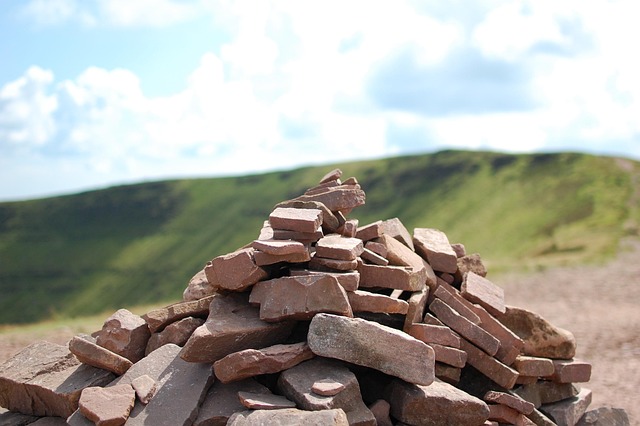
When it comes to safeguarding your Tucson home from the elements, choosing top-tier quality roofing materials is paramount. Arizona’s harsh sun, scorching heat, and occasional intense storms demand durable, long-lasting protection—and that starts with the right materials. Beyond aesthetics, a high-quality roof offers insulation, prevents leaks, and ensures energy efficiency. In this competitive market, where numerous residential roofing Tucson options are available, identifying genuine experts becomes crucial.

Consider asphalt shingles as a popular choice for their affordability and versatility. Top manufacturers offer advanced variations with enhanced durability, reflecting resistance to impacts, fire, and extreme temperatures. For instance, GAF and Owens Corning produce shingles rated for up to 130 mph winds—a significant advantage in our region’s occasional severe storms. On the other hand, metal roofing is gaining popularity due to its exceptional longevity and low maintenance requirements. Aluminum and steel options are highly reflective, reducing heat absorption and lowering cooling costs. Home roofing experts recommend these materials for their resistance to corrosion, especially in areas with high humidity levels like Arizona’s coastal regions.

Consulting with seasoned home roofing experts can provide invaluable insights tailored to your specific needs. They can guide you through the vast array of options, ensuring long-term value and peace of mind. Remember, a quality roof is not just an investment; it’s an essential component in protecting your Tucson home from the unique environmental challenges our state presents.

Installation Best Practices for Optimal Performance

y

In Arizona’s unique climate, where scorching summers and mild winters present distinct challenges, proper residential roofing Tucson is paramount for any home. Installation best practices aren’t just about selecting robust materials; it involves a meticulous process ensuring optimal performance that lasts. Home roofing experts emphasize the critical interplay of several factors. First, understanding the region’s extreme temperatures demands materials capable of withstanding intense heat and cold without compromising integrity. This often translates to choosing high-quality, weather-resistant shingles or tiles designed for durability. For instance, many top manufacturers offer products specifically formulated to resist the harsh conditions Arizona experiences, ensuring a roof that protects against both sun damage and freezing temperatures.

Beyond material selection, proper installation techniques significantly impact longevity. Expert roofing contractors in Tucson advocate for precise measurements, careful flashing installation, and secure fastening to create an airtight seal. This prevents water intrusion, a common cause of roofing failures, especially during monsoon seasons. Additionally, experts recommend regular inspections to identify potential issues early on. By implementing these best practices, homeowners can expect their roofs to not just withstand but also enhance the overall aesthetic appeal of their properties, providing peace of mind in this beautiful, demanding desert environment.

Navigating Local Building Codes and Permits

y

Navigating local building codes and permits is a crucial step when considering residential roofing in Tucson. Arizona’s unique climate demands specific building standards to ensure homes are safe and durable against extreme heat, cold, and occasional severe weather events. Homeowners often seek the expertise of local home roofing experts to guide them through this process. The City of Tucson provides comprehensive guidelines for roof construction, including material choices, structural requirements, and safety measures. Compliance with these codes is not just a legal obligation but also ensures the longevity and performance of your roof.

For instance, residential roofing in Tucson should adhere to specific criteria for slope, underlayment, and ventilation to withstand high winds and intense sunlight. The building department may require permits for various stages of the project, from initial design to final installation. Permits ensure that contractors follow approved plans and use suitable materials. Homeowners should gather all necessary documentation before starting any roofing work, including structural drawings, material specifications, and manufacturer certifications. Working with home roofing experts who are familiar with local codes can streamline this process, ensuring a smooth project timeline.

Understanding these regulations is vital to avoid costly delays or penalties. Many local contractors offer consultation services to help homeowners navigate building permits and select appropriate roofing materials. In some cases, simple modifications or upgrades to existing roofs may require permits, while minor repairs might not. Consulting with home roofing experts can provide clarity on these matters and ensure your project complies with Tucson’s building codes, resulting in a safe, reliable, and aesthetically pleasing roof for your home.

Maintenance Tips to Ensure Longevity & Protection

y

Maintaining your residential roofing Tucson is essential for ensuring its longevity and protecting your home from the harsh Arizona climate. This involves a combination of regular inspection, timely repairs, and adopting best practices recommended by home roofing experts. One key aspect is to stay vigilant for any signs of damage, such as missing or damaged shingles, leaks, or discolored spots, which could indicate structural issues or water intrusion. Conducting annual checks, especially after extreme weather events, allows for early detection and prevention of major problems.

Home roofing experts suggest a multi-pronged approach to maintenance. First, clear debris from gutters and drains to prevent water buildup and potential roof damage. Second, ensure proper ventilation to regulate temperature extremes that can weaken roofing materials over time. Third, reapply sealants and coatings as recommended for flat or low-sloped roofs to safeguard against moisture absorption. Fourth, inspect flashing around chimneys, vents, and other penetrations to prevent leaks. Regular maintenance not only extends the lifespan of your roof but also offers peace of mind knowing your home is shielded from the elements.

Moreover, choosing the right roofing materials tailored to Arizona’s conditions is crucial. Home roofing experts advocate for durable, climate-resistant options like metal or TPO (thermoplastic polyolefin) membranes that can withstand intense sunlight and fluctuating temperatures. These materials offer superior protection against UV degradation, thermal expansion, and contraction, which are common issues in the region. Regular maintenance combined with suitable roofing solutions ensures your residential roofing Tucson performs optimally for years to come, providing reliable shelter from Arizona’s diverse weather patterns.

In conclusion, this article has equipped readers with a comprehensive understanding of residential roofing Tucson’s specific requirements. By delving into key aspects such as choosing high-quality materials, installation best practices, navigating local regulations, and maintenance strategies, homeowners now possess the knowledge to make informed decisions. The insights provided offer practical next steps for optimizing roof performance, longevity, and protection in this unique Arizona environment. This authoritative guide serves as a testament to the importance of proper roofing care, ensuring Tucson residents can confidently maintain their homes’ most crucial protective element.
Recent Posts

  • Child-Proof Your Garage: Garage Door Safety Tips for Families
  • Mastering Repairs vs Replacement for El Encanto Garage Doors
  • See What’s New Across The Mynewsgurus Network
  • Expert Emergency Roof Repair Tucson: Quality Materials, Top Contractors
  • Guaranteed Protection: Oro Valley Roofing Warranties Explained

Recent Comments

No comments to show.

Archives

  • August 2026
  • July 2026
  • June 2026
  • May 2026
  • April 2026
  • March 2026
  • February 2026
  • January 2026
  • December 2025
  • November 2025
  • October 2025
  • September 2025
  • August 2025
  • July 2025
  • June 2025
  • May 2025
  • April 2025
  • March 2025
  • February 2025
  • January 2025
  • December 2024
  • November 2024
  • October 2024
  • September 2024

Categories

  • Affordable Roofing Oro Valley
  • affordable roofing tucson
  • Appliance Repair Austin
  • Arizona Travel Tips
  • Austin Real Estate
  • Austin Travel Tips
  • Austin TX
  • average lifespan of a residential garage door opener
  • benefits of preventative garage door maintenance for homeowners
  • best roofers tucson
  • Best Roofing Contractors in Oro Valley
  • best time of year to schedule garage door maintenance in AZ
  • Birding Southern Arizona
  • Choosing Roofing Materials
  • choosing the right garage door for energy efficiency in Arizona
  • commercial roofing tucson
  • common causes of broken garage door tracks and rollers
  • difference between torsion and extension springs explained
  • emergency garage door repair near me in Tucson AZ
  • Emergency Roof Repair Oro Valley
  • emergency roof repair tucson
  • Energy-Efficient Roofing Options
  • Flat Roof Services Oro Valley
  • Foam Roofing Oro Valley
  • Garage Door Repair
  • garage door safety tips for families with children
  • GE Appliance Repair Austin
  • Hail Damage Roof Inspection Oro Valley
  • Handyman Tips
  • Home Renovations
  • Home Repair And Maintenance
  • Home Repairs
  • Home Security
  • how dust and heat affect garage doors in the desert climate
  • how much does garage door spring replacement cost in Tucson
  • how to choose between single and double garage door springs
  • how to lubricate garage door rollers and hinges safely
  • Insurance Claims for Roof Damage Oro Valley
  • Kitchen Renovations
  • Lawn Care And Landscaping
  • LG Appliance Repair Austin
  • Licensed Roofers Oro Valley
  • licensed roofers tucson
  • Major Appliances
  • Metal Roofing Oro Valley
  • New Mexico Travel Tips
  • Pest Control Services
  • pest control services Catalina Foothills
  • pest control services Marana
  • pest control services Oro Valley
  • pest control services Tucson
  • pest control services Vail AZ
  • Pest Control Tucson
  • quick garage door repair in Tucson
  • Refrigerator Repair
  • Residential Roofing Oro Valley
  • residential roofing tucson
  • roach exterminator Catalina Foothills
  • roach exterminator Marana
  • roach exterminator Oro Valley
  • roach exterminator Tucson
  • roach exterminator Vail AZ
  • rodent control Catalina Foothills
  • rodent control Marana
  • rodent control Oro Valley
  • rodent control Tucson
  • rodent control Vail AZ
  • Roof Inspection Services Oro Valley
  • roof inspection tucson
  • Roof Installation Process Oro Valley
  • Roof Leak Detection Oro Valley
  • roof maintenance tucson
  • Roof Repair in Oro Valley
  • Roof Repair Tucson
  • roof repair tucson arizona
  • Roof Replacement Oro Valley
  • roof replacement tucson
  • Roof Ventilation Solutions Oro Valley
  • Roofing
  • roofing contractors tucson
  • Roofing Estimates and Quotes Oro Valley
  • Roofing Oro Valley
  • roofing services tucson az
  • Roofing Warranties Oro Valley
  • RV Travel Tips
  • RVing for Beginners
  • scorpion control Catalina Foothills
  • scorpion control Marana
  • scorpion control Oro Valley
  • scorpion control Tucson
  • scorpion control Vail AZ
  • Shingle Roofing Oro Valley
  • signs you need a new garage door opener
  • Solar Energy
  • Solar Power
  • Solar-Ready Roofing Systems Oro Valley
  • sonoita az wine
  • sonoita az wine tasting
  • sonoita vineyards
  • sonoita wine country
  • sonoita wine tasting
  • sonoita wine tasting tours
  • sonoita wine tour shuttle
  • sonoita wine tours
  • sonoita wine trail
  • southern arizona wine tours
  • southern arizona wineries
  • southern arizona winery
  • southern az wineries
  • Storm Damage Roof Repair Oro Valley
  • termite control Catalina Foothills
  • termite control Marana
  • termite control Oro Valley
  • termite control Tucson
  • termite control Vail AZ
  • Texas Travel Tips
  • Tile Roofing Oro Valley
  • tips for avoiding surprise garage door repair costs
  • trusted garage door service in Tucson
  • Tucson AZ
  • Tucson Garage Door Repair
  • Tucson Garage Doors
  • Tucson Pest Control
  • Tucson Real Estate
  • tucson roof leak repair
  • tucson roofing companies
  • Tucson Roofing Contractors
  • tucson roofing cost
  • Tucson Travel Tips
  • vineyards in sonoita
  • vineyards in sonoita az
  • vineyards sonoita az
  • when to replace vs repair a garage door panel
  • why is my garage door making grinding noises
  • why same-day garage door repair service matters
  • wine tasting in sonoita az
  • wine tasting oro valley
  • wine tasting sonoita
  • wine tour sonoita
  • wine tours sonoita
  • wine tours southern arizona
  • wineries in southern arizona
  • wineries near sonoita az
  • winery sonoita az
©2026 | Design: Newspaperly WordPress Theme